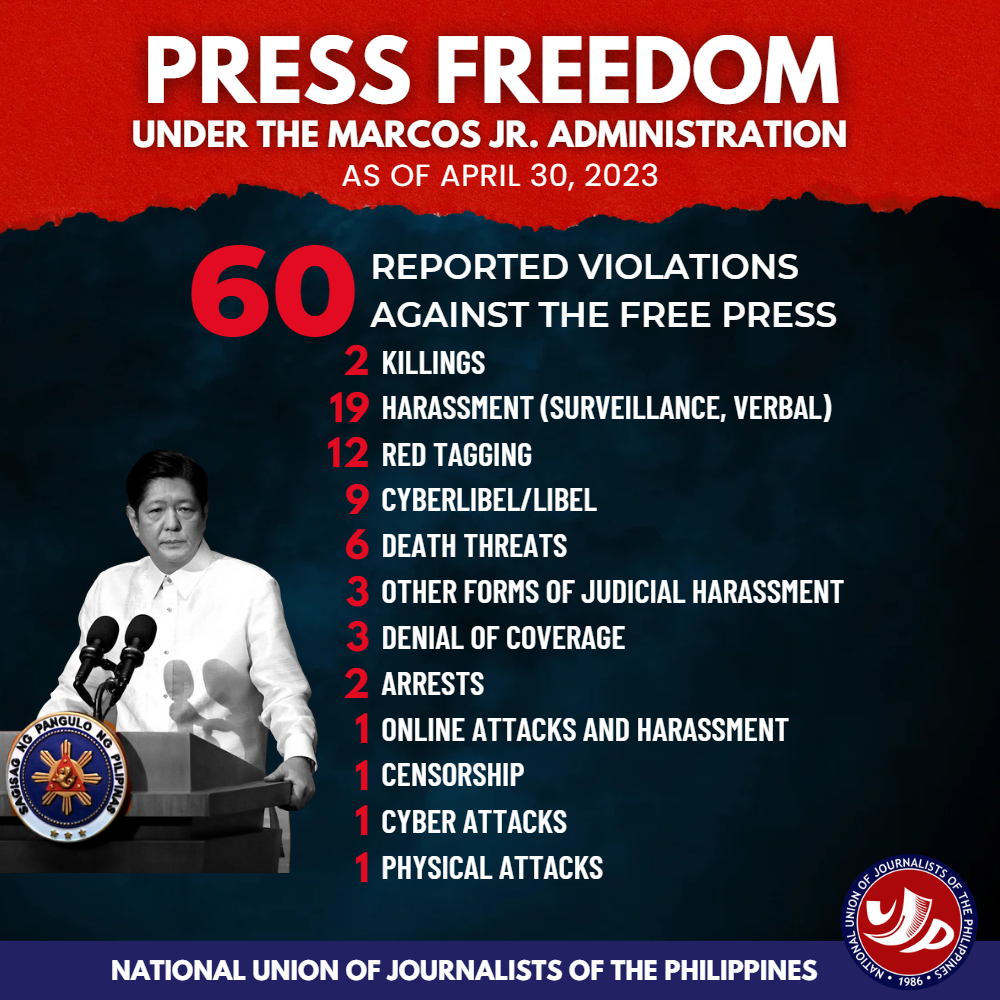
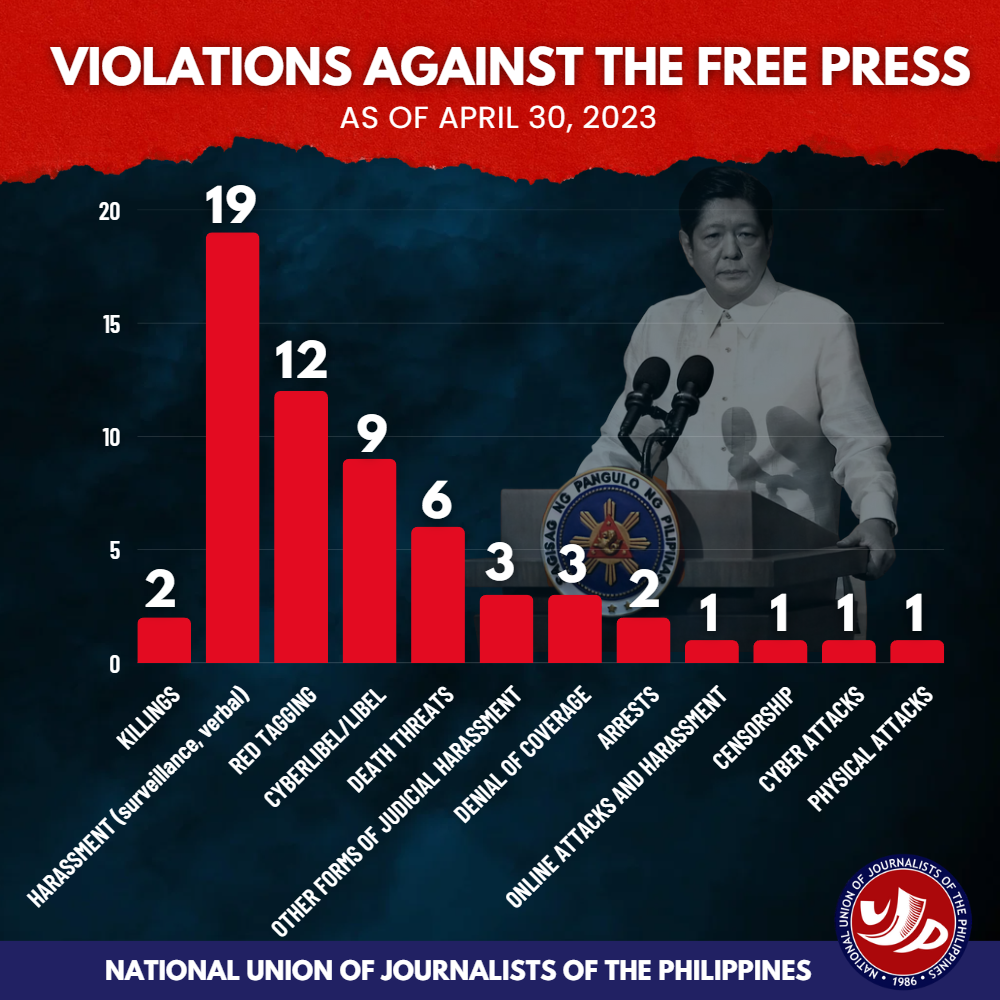
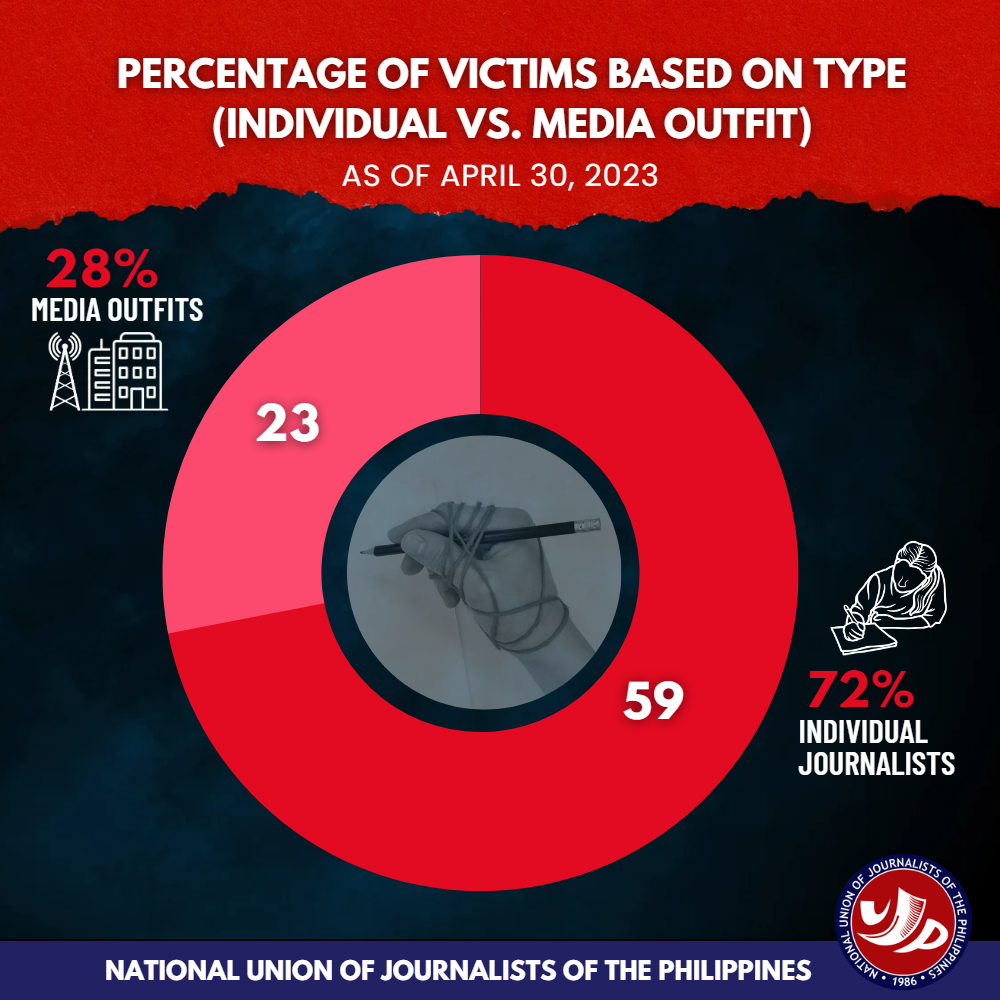
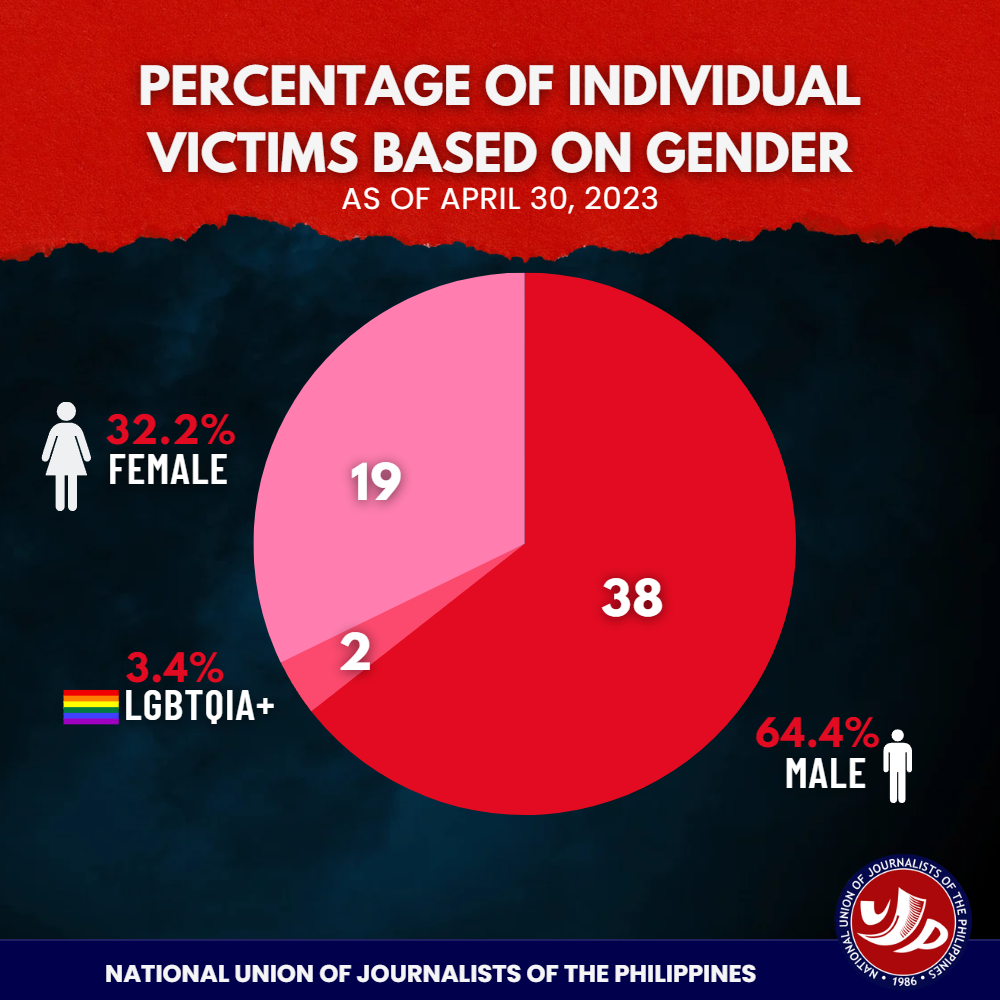
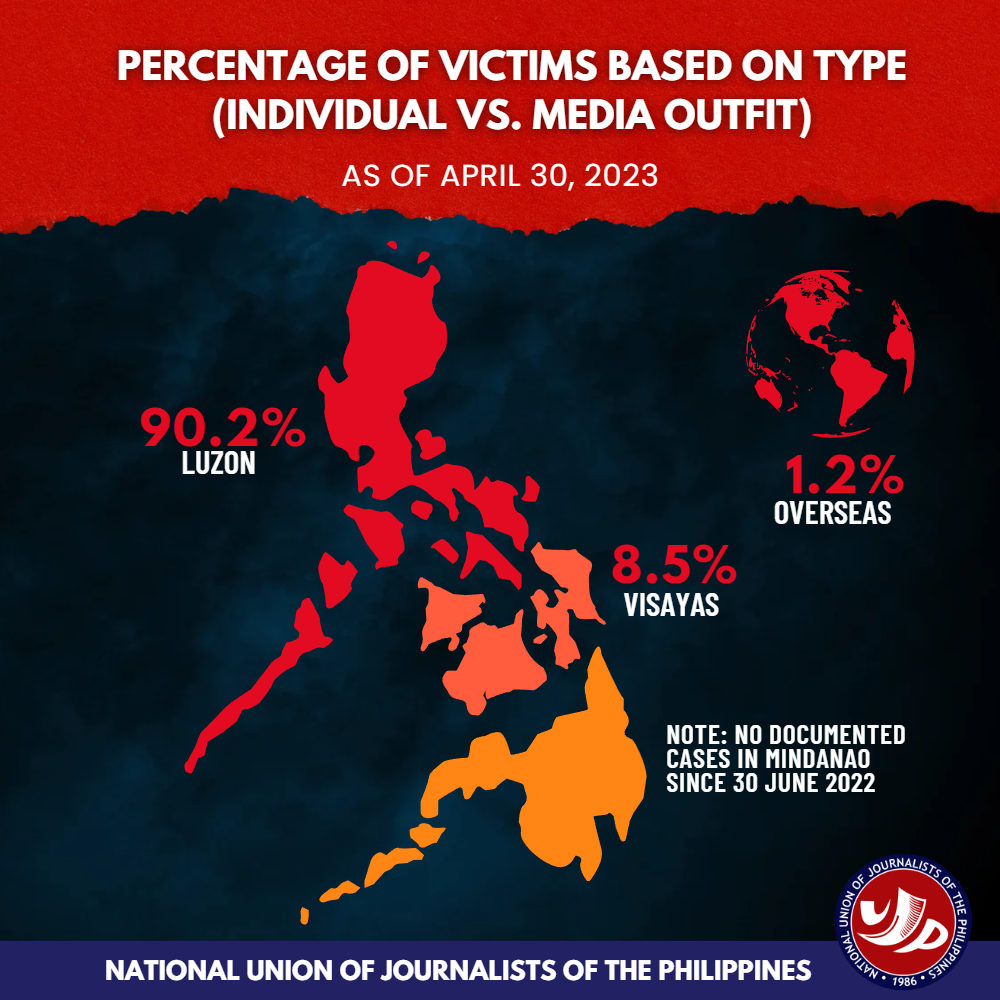
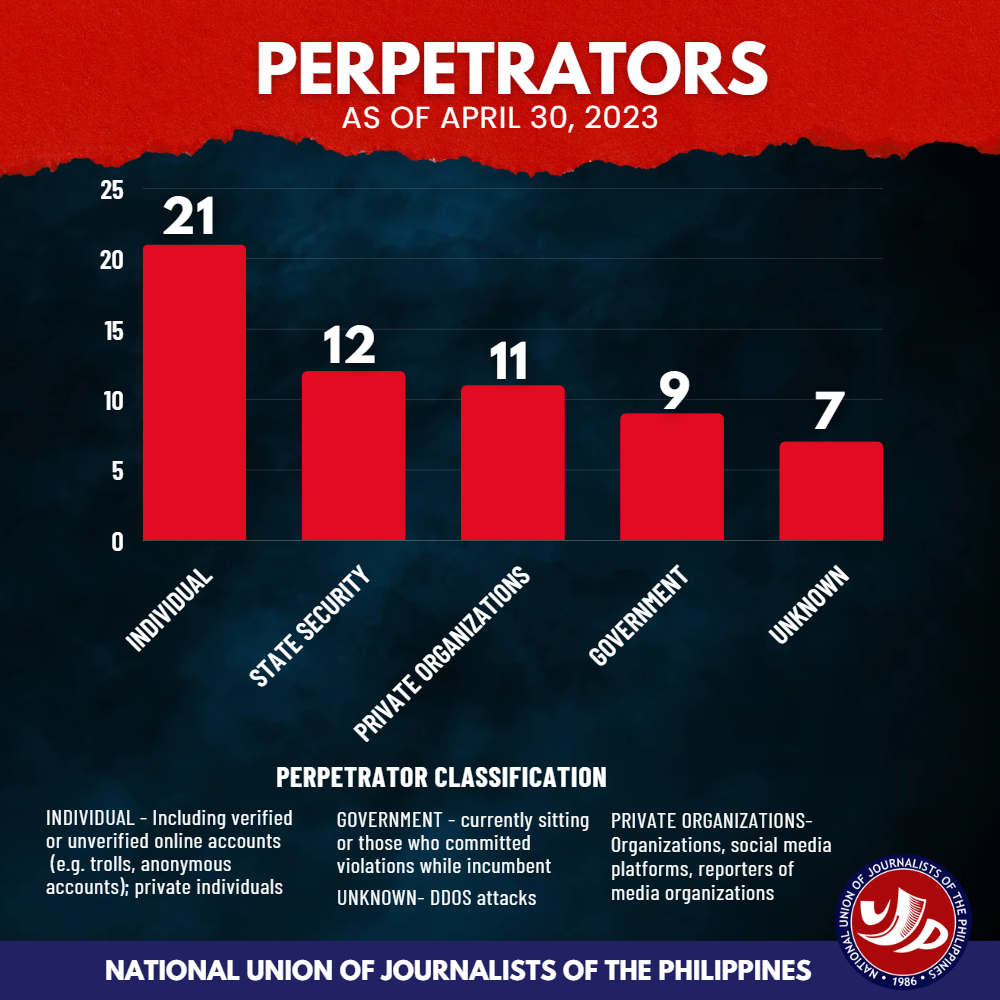
Nearly a year into the Marcos Jr. presidency and as dominant media adjusts to reporting on an administration that is not openly hostile to the press, it is tempting to consider that maybe the situation for media workers has improved and will continue improving.
On World Press Freedom Day, we remind ourselves that while there have been victories — in court, with the acquittal of Maria Ressa and Rappler of tax cases, for example — many, far too many of us are still facing threats and that our freedom is still fragile.
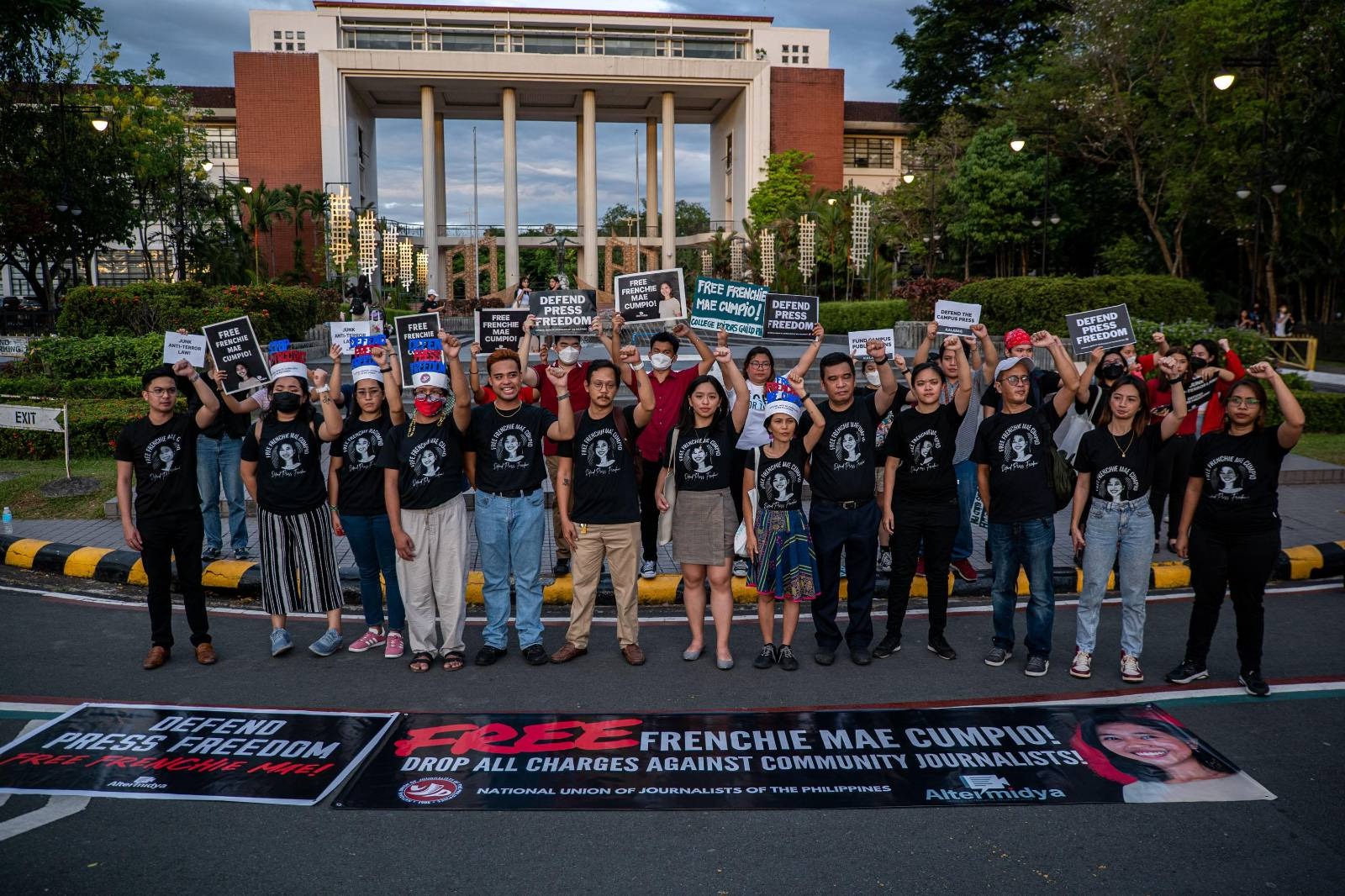
It has been more than three years since our colleague Frenchie Mae Cumpio was arrested in a raid in Tacloban City. Frenchie, who had been red-tagged and subjected to surveillance before her arrest on questionable charges based on testimony from questionable witnesses, is still fighting terrorism-related cases and is appealing the forfeiture of money meant to fund her radio show that the government said was to finance terrorism.
The slow pace of the case — especially in contrast with the quick resolution of other, more high profile ones — is a violation of her right to a quick trial and also deprives the communities on Eastern Visayas that she used to report on and for.
The theme of this year’s press freedom day commemoration is freedom of expression as a driver for all human rights and the passage of the Anti-Terrorism Act and SIM Card Registration Act restricts that freedom from which the freedom of the press comes. Frenchie is just one case to show how that can be done and is being done.
Since the Duterte administration, there have been attempts to convince colleagues to disaffiliate from groups like the National Union of Journalists of the Philippines and outright attempts to paint the independent and alternative press as enemies of the state. While these attempts have been toned down under the new administration, they have continued. Attempts to organize within our ranks — and among citizens in general — are viewed with suspicion, if not vilified outright.
Policies to block public access to critical websites like Bulatlat and Pinoy Weekly have not been reversed and there are moves in Congress seeking to penalize “fake news”, a term that used to mean disinformation and misinformation but that has increasingly come to mean views and reports that are inconvenient to government.
And in the backdrop of all these hangs the threat of the use of the tactics that the Duterte administration used against the Philippine Daily Inquirer, Rappler and ABS-CBN that continue to chill our community. In the backdrop as well are the unresolved murders of our colleagues, with Renato Blanco and Percy Lapid being only the latest of these.
On World Press Freedom Day and despite all these, we remind ourselves that we will continue to insist on being free.